No one wants to hire in-home care services for their seniors first. It usually enters the picture gradually, after a fall that shouldn’t have happened, a missed medication, a neighbor’s quiet concern, or that uneasy feeling that something is off. It is something where in-home care plays an incredible role between independence and needing more help than family alone can reasonably provide.
In-home care for seniors is exactly what it sounds like: professional support delivered in the comfort of a person’s own home. But the reality is more nuanced, and understanding those details can make all the difference when you’re deciding what’s right for your loved one.
What In-Home Care Actually Includes
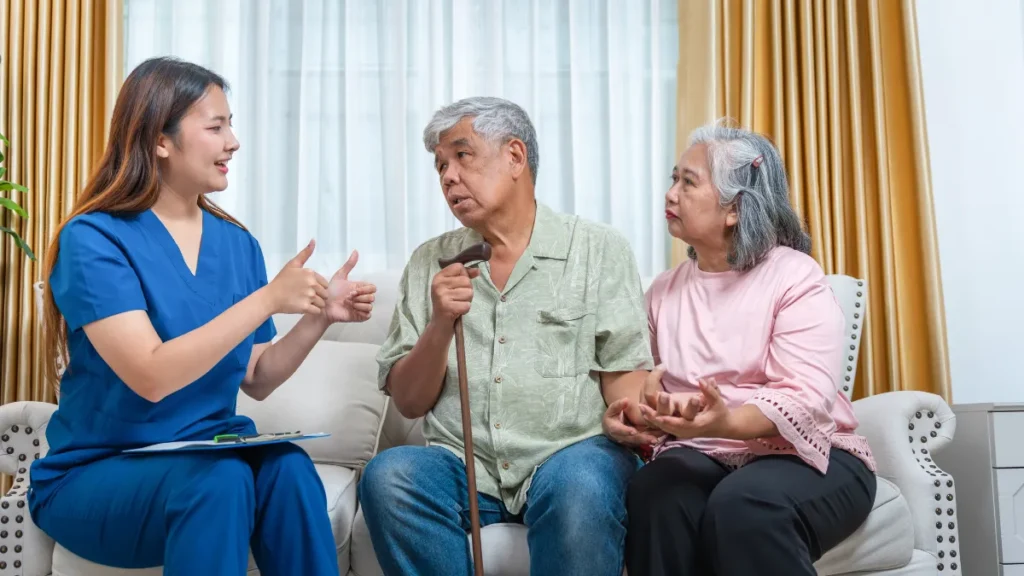
In-home care isn’t a single service. It’s something that comes with a multilevel support tailored to daily life. Some seniors need only a light touch. Others require steady, hands-on help. Most fall somewhere in between.
Some common services include assistance with everyday activities, such as;
- Bathing
- Dressing
- Grooming
- Moving
These tasks may sound small, but they’re often the first ones to become risky as balance, strength, or mobility decline. A caregiver’s presence can prevent falls long before an emergency ever occurs. Some other tasks need assistance, including;
- Meal preparation
- Medication reminders
- Transportation to appointments
- Light housekeeping
- Companionship rounds out the basics
That last one, “companionship,” is often overlooked. Loneliness has a real impact on physical and mental health, and regular conversation, shared meals, or a walk around the block can quietly improve someone’s quality of life.
For individuals with memory loss or chronic conditions, in-home care may also include routine supervision, structured daily schedules, and gentle cueing that helps them stay oriented and calm without uprooting them from familiar surroundings.
Who Benefits Most From In-Home Care
In-home care isn’t just for people who are weak or bedridden. In fact, it often works best before a crisis. Seniors who want to remain at home but are starting to struggle with daily tasks are ideal candidates. This includes people recovering from surgery, managing conditions like arthritis or Parkinson’s disease, or living with early-stage dementia. It also benefits individuals who are physically capable but socially isolated, a group that’s larger than many families expect. Family caregivers benefit too. Adult children balancing work, kids, and caregiving often reach a breaking point quietly. In-home care doesn’t replace family involvement; it supports it. A few hours of professional help each week can mean fewer emergencies, better rest, and more meaningful time together instead of constant stress.
How In-Home Care Differs From Medical Home Health Care
This is where confusion often starts. In-home care is non-medical. Caregivers don’t provide skilled nursing services or clinical treatments. Instead, they focus on daily living, safety, comfort, and continuity.
Medical home health care, such as visits from a nurse or physical therapist, is usually short-term. In-home care is ongoing and relationship-based. It’s about noticing changes over time, not just checking a box during a scheduled visit.
Both can work together. Many families use in-home care alongside medical services to create a more complete support system.
Why In-Home Care Often Works So Well
Home is more than a location. Adult Foster Care in Brockton, MA, respects that. Instead of asking seniors to adapt to a system, it brings support into the life they already know.
When done well, in-home care doesn’t feel like a loss of independence. It feels like reinforcement, someone steadying the ladder while you keep climbing.
And for families navigating this transition, that reassurance is often the most valuable part of all.
FAQs
Is in-home care only for seniors who can no longer live independently?
Ans: Not at all. Many people begin in-home care while they are still mostly independent. The purpose is to maintain that independence longer by adding support before small challenges turn into major problems.
How many hours of in-home care does a senior usually need?
Ans: Some individuals benefit from just a few hours a week for errands or companionship, while others require daily assistance or extended care hours. Care plans often evolve over time as needs change.
Can in-home care support seniors with memory loss or dementia?
Ans: Yes. In-home care can be especially effective for individuals with early to moderate memory loss. Familiar surroundings, consistent routines, and trusted caregivers often help reduce confusion and anxiety.
Does in-home care replace family caregiving?
Ans: In most cases, it complements family care rather than replacing it. In-home care reduces daily stress so family members can focus on being sons, daughters, or spouses instead of full-time caregivers.